Fitness for Machine Operators | Stay Strong & Pain-Free
Fitness advice built for machine operators, reduce back pain, improve mobility and stay strong on the job. Online coaching built around real life..
stewart howard
4/28/20265 min read
Why Machine Operators Lose Fitness Faster (And What to Do About It)
You know the feeling. You step down from the cab at the end of a shift and your back is tight, your hips feel locked up, and you're more worn out than the work should make you. Maybe you used to bounce back quicker. Maybe the stiffness that used to clear up overnight now hangs around for days. If that sounds familiar, you're not imagining it, and it's not just age.
I spent over 40 years in demolition, groundworks, and machine driving. I know what a long day in the cab does to your body, because I lived it. And I know that the standard fitness advice you'll find online wasn't written for people like us.
There's a specific reason machine operators lose fitness faster than most, and it's got nothing to do with laziness or not trying hard enough. It's got everything to do with what the cab does to your body, hour after hour, year after year.
The Cab Is Working Against Your Body
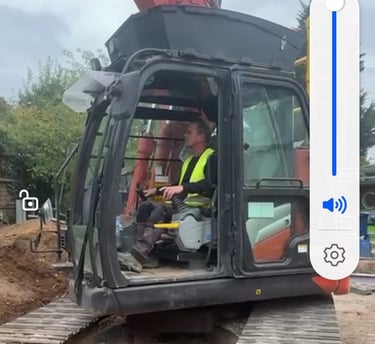
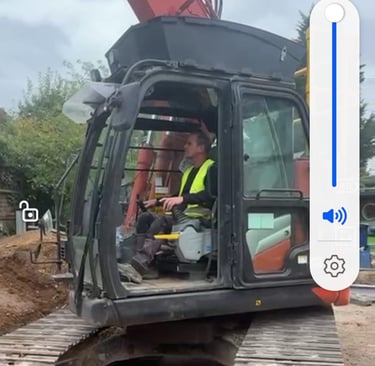
Sitting in a machine for 8–10 hours a day isn't the same as sitting at a desk. You've got the vibration running through the seat, you're bracing constantly against movement, and your body is held in the same fixed position for the bulk of your shift. Do that for a few years and your body starts adapting, not in a good way.
Your hip flexors, the muscles at the front of your hips, shorten and tighten from being held in a bent position all day. At the same time, your glutes gradually stop activating properly. They're not being used, so the body stops calling on them. That's a problem, because your glutes are supposed to be one of the main stabilisers of your lower back.
When the glutes switch off, the lower back takes over. It compensates, absorbs load it wasn't built to handle, and gradually gets overloaded. That's where a lot of the pain comes from, not damage from one big incident, but from a system that's been quietly breaking down while you were getting on with the job.
On top of that, whole-body vibration, the kind you get from years in plant equipment, puts cumulative stress on the spine. And the longer you're in the cab, the more your poor posture becomes your default posture. The body adapts to what it does most. After enough years, you carry the cab with you even when you're not in it.
I didn't fully understand what was happening to my body until I was well into my career. By then I'd already done some of the damage. That's why I'm writing this, so you don't have to figure it out the hard way.
Why Standard Fitness Advice Doesn't Work for You
Most fitness advice is written for people who've been sedentary by choice. It assumes the problem is that you've been sitting on a sofa and need to start moving. That's not you.
You've been working hard your whole career. The problem isn't inactivity, it's the specific pattern of stress your job puts your body through. And that changes everything about what you actually need.
I've seen lads on site try to fix their backs by hitting the gym hard, and end up worse off. Heavy deadlifts on a spine that's already been compressed all week aren't doing you any favours. A five-days-a-week training plan doesn't work around rotating shifts, early starts, or the fact that you're already physically drained by Friday. Generic programmes don't account for any of that, because they weren't written with you in mind.
The issue isn't that you need to work harder. It's that you need movement that actively counteracts what the cab does to you, not just more exercise stacked on top of a body that's already under pressure.
The Three Things Your Body Actually Needs
Forget long lists. In my experience, there are three things that make the real difference for machine operators:
1. Hip flexor and glute work
You spend your day with your hips in a shortened, fixed position and your glutes doing nothing. The most important thing you can do is reverse that, lengthen the hip flexors and get the glutes firing again. This isn't about getting stronger in the gym sense. It's about restoring the balance that the cab takes away. When this starts working properly, a lot of the lower back tension eases up on its own.
2. Spinal decompression and mobility
Your spine needs the opposite of what it gets in the cab. Gentle, controlled movement that creates space and takes pressure off the discs and joints. Done consistently, this is one of the fastest ways to feel less stiff and move better day to day. It's not glamorous work, but it's the stuff that actually shifts how you feel.
3. Consistency over intensity
A 20-minute session four days a week will do more for you than a brutal 90-minute session once a week followed by three days of being too sore to move. Short sessions that fit around your shifts, done regularly, compound over time. That's true whether you're 35 or 55.
What This Looks Like in Practice
The sessions themselves are short, 20 minutes is enough to make a real difference when you're doing the right work. Fit them in whenever your shifts allow, whether that's before work, after, or on a day off. There's no single right time; the right time is whatever you'll actually stick to.
As for where you do it, that's your call too. Some of what I give clients works just as well at home as it does in a gym. When it's time to start rebuilding strength properly, we'll work with whatever setup suits you. The point isn't to add more hassle to your life. It's to build something that fits around it.
That's what [coaching built for machine operators](/fitness-coaching-for-machine-operators) looks like in practice, not a programme lifted from a bodybuilding site with your name on it.
You Don't Have to Accept Feeling Worn Down
Back pain and stiffness are common among machine operators. I've worked alongside enough of them to know that. But common doesn't mean inevitable, and it doesn't mean permanent.
The body is more adaptable than most people give it credit for. With the right approach, one that's actually built around your work and your shifts, most operators start noticing real improvement within a few weeks. Better movement in the morning. Less stiffness getting out of the cab. More energy left by the end of the week.
After 40+ years in demolition, groundworks, and the cab, I built Axon Fitness specifically for people in this industry. If you're ready to stop just putting up with it, message me on WhatsApp and we'll have a straightforward conversation about what you actually need, no sales pitch, no generic plan.
Related reading: - [Why Your Back Pain Might Be a Hydration Problem](/why-your-back-pain-might-be-a-hydration-problem) - [Stretches for Machine Operators](/stretches-for-machine-operators-reduce-stiffness-and-back-pain-in-the-cab)