Fascia: The Missing Piece Behind Stiffness in Machine Operators
stewart howard
6/19/20264 min read
Fascia: The Missing Piece Behind Stiffness in Machine Operators
You climb out of the machine at the end of the day and feel like you've aged ten years.
Your hips are tight.
Your lower back feels stiff.
Your shoulders don't want to move properly.
But here's the strange part.
Your muscles aren't necessarily sore.
You haven't pulled anything.
You haven't injured yourself.
You just feel restricted.
Many machine operators describe it as feeling like they need oiling.
This is where fascia may be part of the picture.
What Is Fascia?
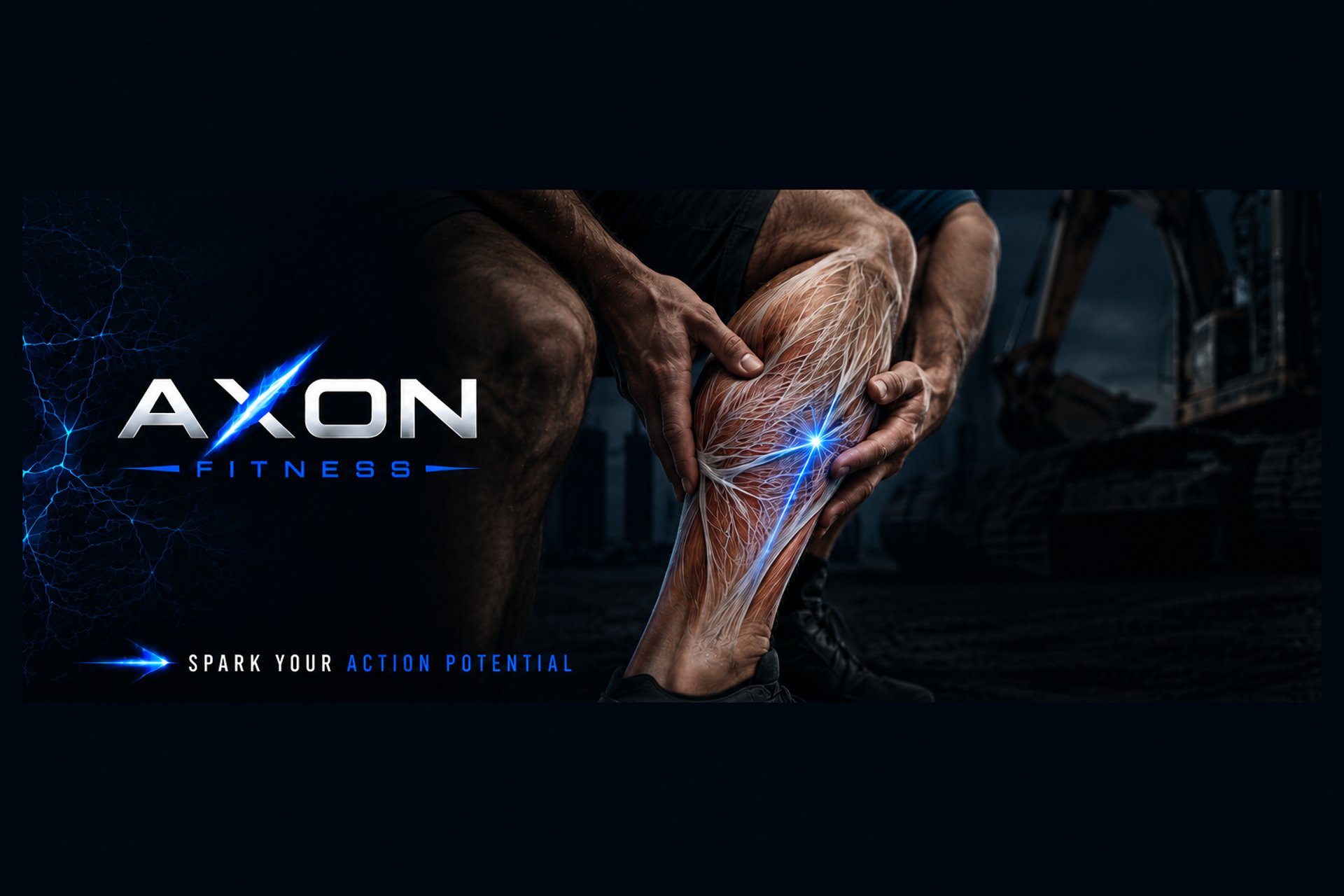
Fascia is a connective tissue that runs throughout the body.
Think of it as your body's internal wrapping and support system.
It surrounds and connects:
Muscles
Tendons
Ligaments
Nerves
Bones
Organs
Rather than existing as separate parts, your body is connected through a continuous network of fascia.
Research has increasingly recognised fascia as an important component of movement and force transmission throughout the body.
https://pmc.ncbi.nlm.nih.gov/articles/PMC4950233/
Why Most Machine Operators Have Never Heard Of It
For years, most discussions about pain and stiffness focused entirely on muscles and joints.
Today we understand that connective tissues also play an important role in how the body moves and feels.
This doesn't mean fascia is responsible for every ache and pain.
But it may help explain why many operators feel stiff and restricted even when they haven't suffered an obvious injury.
What Does Fascia Tightness Feel Like?
Fascia restriction often feels different from muscle soreness.
Machine operators commonly describe it as:
Stiffness when getting out of the cab.
Feeling pulled in multiple directions.
Tightness that improves after moving around.
A general sense of restriction.
Difficulty moving freely after sitting.
You may feel fine once you've walked around for ten minutes.
Then the cycle starts again the next day.
Sound familiar?
Why Machine Operators Are Vulnerable
Machine operators spend hours in relatively fixed positions.
Day after day.
Year after year.
The body adapts to whatever it does most often.
This is something I discussed in:
Your Skeleton Adapts to the Life You Live
https://www.axon.fitness/your-skeleton-adapts-to-the-life-you-live
Long periods of sitting may reduce movement variety and contribute to stiffness throughout the body.
When you combine this with vibration exposure and repetitive postures, it's not surprising that many operators begin to feel restricted.
Related reading:
How Cab Vibration Affects Your Body Over Time
https://www.axon.fitness/how-cab-vibration-affects-your-body-over-time
Fascia Tightness vs Muscle Tightness
Although they can feel similar, there are some differences.
Muscle Tightness
Often feels:
Localised
Easier to identify
Related to exercise or physical work
Better after stretching
Fascia Restriction
Often feels:
More widespread
Difficult to pinpoint
Like a pulling sensation
Worse after prolonged sitting
Better after general movement
The two often exist together.
It's not always possible to separate them completely.
Can Fascia Cause Sciatica-Like Symptoms?
This is where things become more complicated.
True sciatica involves irritation of the sciatic nerve.
However, restricted tissues around the hips and glutes may contribute to symptoms that feel similar.
That's one reason many people struggle to identify the source of their discomfort.
If symptoms persist, worsen or involve numbness or weakness, medical assessment is important.
What Actually Helps?
Most machine operators don't need expensive fascia tools.
They usually need more movement.
1. Move More Often
The body likes movement.
Regular position changes help prevent the body becoming locked into one posture.
This is one reason many operators feel better after a short walk around the site.
2. Improve Hip Mobility
The hips often take the biggest hit from prolonged sitting.
If you haven't already read it, this article may help:
Why Your Hips Feel Tight After a Day in the Cab
https://www.axon.fitness/why-your-hips-feel-tight-after-a-day-in-the-cab-and-what-to-do-about-it
3. Strength Train
Strong muscles support healthy movement.
This doesn't mean bodybuilding.
It means maintaining strength and capability as you age.
Related reading:
Why Working Hard Isn't the Same as Staying Fit
https://www.axon.fitness/why-working-hard-isnt-the-same-as-staying-fit
4. Walk More
Walking provides movement through the hips, spine and shoulders.
Sometimes the simplest solution is still one of the most effective.
5. Sleep and Recovery
Your body repairs and adapts when you rest.
Poor sleep often makes stiffness feel worse.
Recovery isn't weakness.
It's part of staying capable for the long haul.
The Real Problem Isn't Fascia
The real problem is usually lack of movement variety.
The body adapts to the positions it spends the most time in.
For machine operators, that often means:
Sitting
Reaching
Twisting
Looking down at controls
Absorbing vibration
Day after day.
Year after year.
The result is a body that becomes extremely good at sitting and increasingly uncomfortable doing everything else.
Final Thoughts
Most machine operators don't need complicated mobility routines or expensive recovery gadgets.
They need regular movement.
They need strength.
They need recovery.
And they need to understand that stiffness isn't always a sign of damage.
Often it's simply a sign that the body has adapted to the demands placed upon it.
The good news is that the body can adapt in the other direction as well.
With the right movement, strength training and recovery habits, many operators can improve how they move and feel regardless of age.
Frequently Asked Questions
What is fascia?
Fascia is connective tissue that surrounds and connects muscles, bones, nerves and organs throughout the body.
Can fascia become tight?
Fascia can become less mobile and contribute to feelings of stiffness and restriction, particularly after prolonged periods in the same position.
Is fascia the same as muscle?
No. Fascia is connective tissue, while muscles are responsible for producing movement.
Can sitting all day affect fascia?
Long periods of sitting may contribute to stiffness and reduced movement variety throughout the body.
Do I need a fascia gun or expensive recovery tools?
Not necessarily. For many machine operators, regular movement, walking, mobility work and strength training provide the biggest benefits.
About the Author
Stewart Howard is the founder of Axon Fitness. With more than 40 years of experience in construction, machine operating and physical trades, he understands first-hand the wear and tear that demanding work places on the body. Through Axon Fitness, he helps machine operators, tradesmen and adults over 40 stay strong, mobile and capable for the long haul.